

Electric Bicycles vs Traditional Bikes: Which One Saves You More?
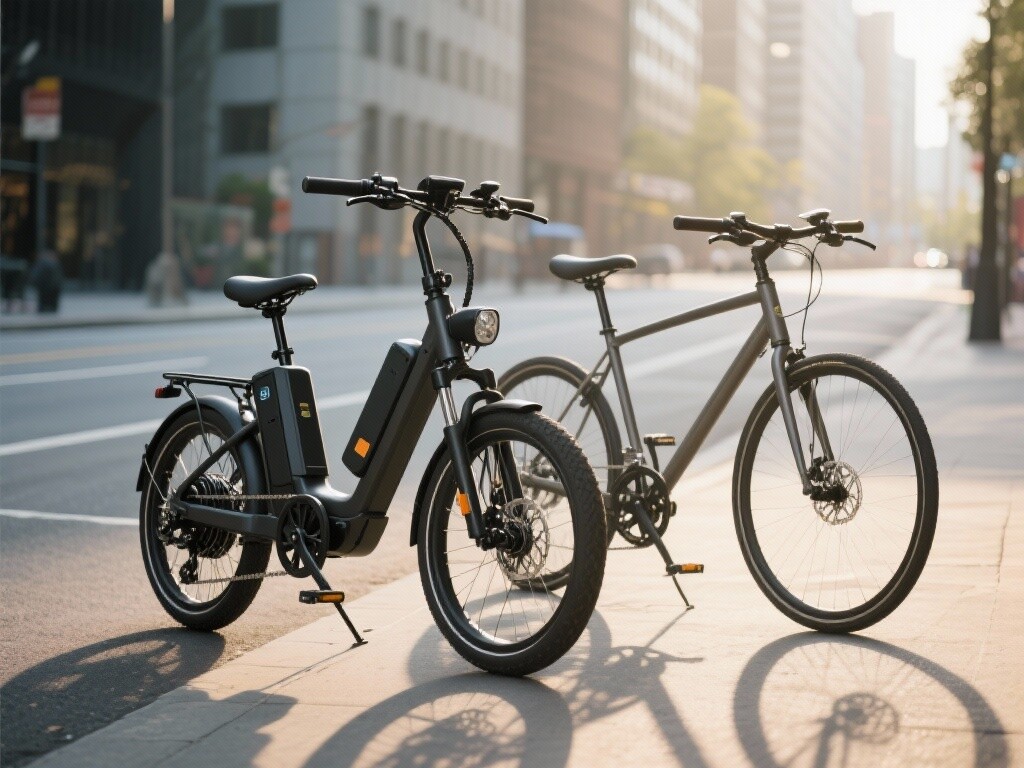
As urban transportation evolves, the debate between electric bicycles and traditional bikes intensifies. Whether you're considering an electric bicycle, electric tricycle, or even an electric four-wheeled vehicle, understanding cost-efficiency is crucial. This analysis compares operational expenses, maintenance needs, and long-term savings from parts production bases to daily usage. Perfect for information researchers, active commuters, and technical evaluators seeking data-driven mobility solutions.
Initial Cost Comparison: Upfront Investment Analysis
When evaluating transportation options, the initial purchase price is often the first consideration. Traditional bicycles typically range from $200 to $1,500 depending on quality and features. In contrast, electric bicycles start around $800 and can exceed $5,000 for premium models with advanced battery systems. Electric tricycles and four-wheeled vehicles command even higher prices due to their increased capacity and complexity, often ranging from $2,000 to $10,000.
However, the higher initial cost of electric vehicles must be weighed against their enhanced capabilities. Modern electric bicycles from reputable parts production bases incorporate sophisticated motor systems, lithium-ion batteries, and smart controllers that justify their premium pricing. For commercial applications where cargo capacity matters, electric tricycles offer superior value despite their steeper price tag.
Operational Expenses: Fueling Your Commute
The true cost difference emerges when examining long-term operational expenses. Traditional bikes rely solely on human power, making them theoretically free to operate. However, this perspective overlooks the nutritional costs associated with sustained physical exertion. Studies suggest that cyclists burn approximately 400-600 calories per hour, which translates to about $1-$2 in food costs per 15 miles traveled.
Electric bicycles dramatically reduce this energy expenditure. Charging a standard e-bike battery costs between $0.05 and $0.15 per charge, providing 20-50 miles of assisted riding. This equates to roughly $0.01 per mile in electricity costs—significantly lower than both traditional cycling and automobile alternatives. Electric four-wheeled vehicles show similar efficiency when properly maintained, though their larger batteries increase charging costs proportionally.
Maintenance Requirements and Associated Costs
Maintenance represents another critical cost factor. Traditional bicycles require regular chain lubrication, brake adjustments, and tire replacements. Annual maintenance typically costs $100-$300 for casual riders, increasing with usage intensity. The mechanical simplicity of traditional bikes allows for DIY repairs, potentially reducing these expenses.
Electric bicycles and tricycles introduce additional maintenance considerations. Battery replacement constitutes the most significant cost, with quality lithium-ion packs lasting 3-5 years and costing $300-$800 to replace. Motor systems generally require minimal maintenance but can incur substantial repair costs if damaged. However, modern parts production bases have improved component reliability, with many electric vehicle systems now offering 10,000+ mile lifespans before requiring major service.
Long-Term Value and Depreciation
Depreciation patterns differ markedly between these transportation options. Traditional bicycles typically retain 40-60% of their value after three years, with high-end models depreciating slower than entry-level bikes. Electric bicycles experience faster depreciation (30-50% over three years) due to battery aging concerns, though premium models from established manufacturers hold value better.
Electric tricycles and four-wheeled vehicles demonstrate more complex depreciation curves. Their commercial utility often sustains higher resale values in business contexts, particularly when equipped with durable components from reliable parts production bases. Fleet operators report that well-maintained electric utility vehicles frequently retain 50-70% of their original value after three years of service.
Environmental and Regulatory Considerations
Beyond direct costs, regulatory factors increasingly favor electric options. Many municipalities offer subsidies for electric bicycle purchases, ranging from $100 to $1,000 depending on location and vehicle type. Some regions provide additional incentives for electric tricycles used in last-mile delivery services. These policies effectively reduce the total cost of ownership for electric vehicles.
Environmental impact also factors into long-term cost calculations. While traditional bicycles maintain an advantage in sustainability, modern electric vehicles have closed the gap significantly. Advanced battery recycling programs and energy-efficient parts production methods have reduced the ecological footprint of electric transportation options.
Use Case Scenarios: Matching Vehicle to Need
The optimal choice depends largely on intended use:
For individual commuters in flat areas, traditional bikes often provide the best value. Those facing hills or longer distances will find electric bicycles more cost-effective when considering time savings and reduced exertion. Businesses moving goods should evaluate electric tricycles or four-wheeled vehicles, as their higher capacity typically justifies the additional investment.
Conclusion: Making the Right Mobility Choice
The decision between electric and traditional transportation involves careful consideration of upfront costs, operational expenses, maintenance requirements, and intended use. While traditional bicycles maintain advantages in simplicity and initial affordability, electric options—from bicycles to four-wheeled vehicles—offer compelling value propositions for many users, particularly when sourced from quality parts production bases.
For information researchers compiling comparative data, we recommend analyzing total cost of ownership over a 5-year period. Commuters should test-ride both options to assess personal comfort and efficiency gains. Technical evaluators may wish to examine specific component specifications from manufacturers to verify durability claims.
Ready to optimize your transportation strategy? Contact our mobility solutions team for personalized cost-benefit analyses tailored to your specific needs and operational parameters.