

Top 5 Benefits of Switching to Electric Four-Wheeled Vehicles
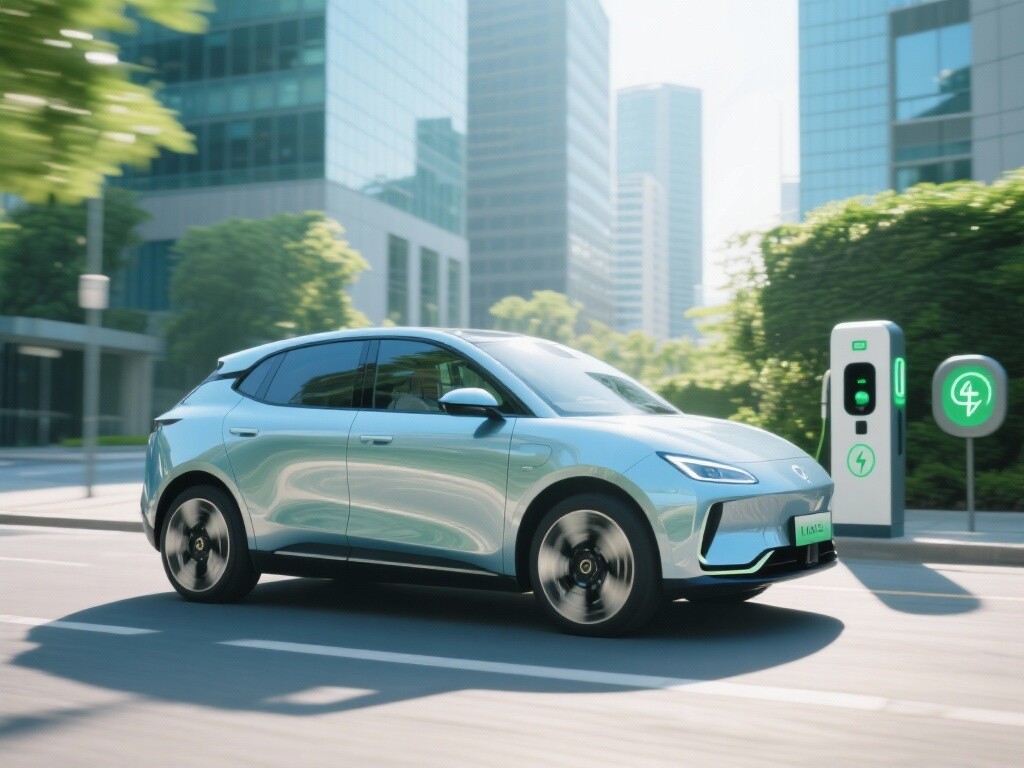
Discover the top 5 advantages of transitioning to electric four-wheeled vehicles for sustainable urban mobility. As a leading parts production base, we analyze how electric bicycles, tricycles, and four-wheeled solutions outperform traditional transport in efficiency, cost-saving, and eco-friendliness. This guide provides technical evaluators and end-users with actionable insights for informed decision-making.
Why Electric Four-Wheeled Vehicles Are the Future of Urban Transport
The transportation industry is undergoing a significant transformation with the rise of electric vehicles (EVs). Among these, electric four-wheeled vehicles are gaining traction due to their versatility, efficiency, and environmental benefits. Unlike traditional gasoline-powered vehicles, electric four-wheeled vehicles offer a cleaner, quieter, and more cost-effective alternative for urban mobility. Whether you're an information researcher, a daily user, or a technical evaluator, understanding the benefits of these vehicles can help you make better decisions for your transportation needs.
Market Overview: The Growing Demand for Electric Vehicles
The global market for electric vehicles, including electric bicycles, tricycles, and four-wheeled vehicles, is expanding rapidly. According to recent studies, the EV market is expected to grow at a compound annual growth rate (CAGR) of over 20% in the next decade. This growth is driven by increasing environmental awareness, government incentives, and advancements in battery technology. As a parts production base, we have observed a surge in demand for high-quality components that enhance the performance and durability of electric vehicles. This trend underscores the importance of transitioning to electric mobility solutions for sustainable urban transport.
Top 5 Benefits of Electric Four-Wheeled Vehicles
1. Environmental Sustainability
Electric four-wheeled vehicles produce zero tailpipe emissions, making them an eco-friendly alternative to traditional gasoline-powered vehicles. By reducing greenhouse gas emissions, these vehicles contribute to cleaner air and a healthier environment. For urban areas struggling with pollution, switching to electric mobility can significantly improve air quality and public health.
2. Cost Savings
Operating costs for electric four-wheeled vehicles are considerably lower than those for conventional vehicles. Electricity is cheaper than gasoline, and maintenance costs are reduced due to fewer moving parts. Additionally, many governments offer tax incentives and subsidies for EV owners, further lowering the total cost of ownership.
3. Enhanced Efficiency
Electric motors are more efficient than internal combustion engines, converting a higher percentage of energy into motion. This efficiency translates to better performance and longer ranges per charge. For urban commuters, this means fewer stops to recharge and more time on the road.
4. Quiet Operation
Electric four-wheeled vehicles operate almost silently, reducing noise pollution in urban areas. This feature is particularly beneficial for delivery services and public transport, where noise reduction can enhance the quality of life for residents.
5. Versatility and Adaptability
Electric four-wheeled vehicles come in various designs to suit different needs, from personal transport to commercial logistics. Their adaptability makes them ideal for diverse applications, including last-mile delivery, passenger transport, and recreational use.
Technical Performance and Specifications
When evaluating electric four-wheeled vehicles, it's essential to consider technical specifications such as battery capacity, motor power, and charging time. Modern EVs are equipped with advanced lithium-ion batteries that offer extended ranges and faster charging times. Motor power varies depending on the vehicle's intended use, with commercial models typically featuring more robust motors for heavy-duty applications. Understanding these parameters can help technical evaluators and end-users select the right vehicle for their needs.
FAQ: Common Questions About Electric Four-Wheeled Vehicles
How long does it take to charge an electric four-wheeled vehicle?
Charging times vary depending on the battery capacity and charger type. Standard home chargers may take 6-8 hours for a full charge, while fast chargers can reduce this time to 1-2 hours.
What is the average range of an electric four-wheeled vehicle?
Most electric four-wheeled vehicles offer a range of 100-200 miles per charge, depending on driving conditions and battery capacity.
Are there government incentives for purchasing electric vehicles?
Yes, many governments offer tax credits, rebates, and other incentives to encourage the adoption of electric vehicles. It's advisable to check local regulations for specific details.
Why Choose Us for Your Electric Vehicle Needs?
As a trusted parts production base, we specialize in manufacturing high-quality components for electric bicycles, tricycles, and four-wheeled vehicles. Our products are designed to meet international standards, ensuring durability and performance. Whether you're a manufacturer or an end-user, we provide the expertise and support you need to make the switch to electric mobility. Contact us today to learn more about our solutions and how we can help you achieve your sustainability goals.