

Electric Tricycles: The Eco-Friendly Solution for Small Businesses
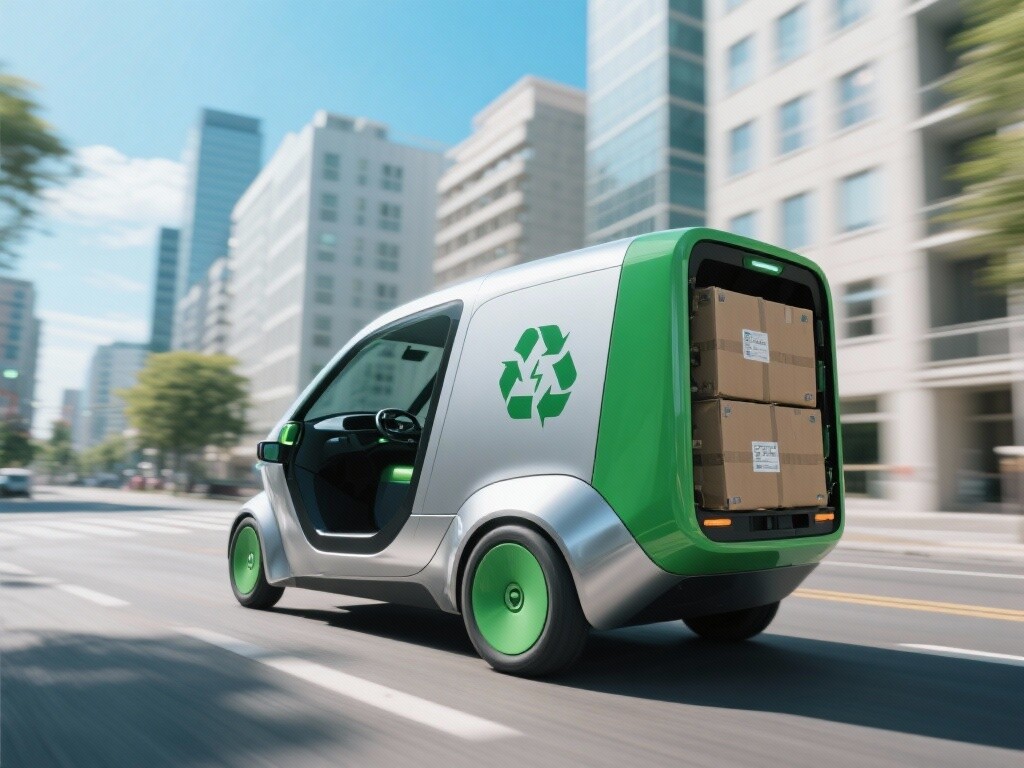
Electric tricycles are revolutionizing last-mile logistics for small businesses, offering an eco-friendly alternative to traditional delivery vehicles. As a leading electric bicycle and tricycle manufacturer with a dedicated parts production base, we understand the growing demand for efficient electric four-wheeled vehicles. This guide explores how these sustainable solutions can optimize your operations while reducing carbon footprint – perfect for logistics managers, fleet operators, and green technology evaluators.
Definition & Core Advantages
Electric tricycles (e-trikes) are three-wheeled vehicles powered by rechargeable lithium-ion batteries, combining the maneuverability of electric bicycles with enhanced load capacity. Unlike conventional delivery vans, these electric four-wheeled vehicles variants excel in urban environments with zero tailpipe emissions and 60-100km range per charge. Our ISO 9001-certified parts production base ensures critical components like motors (typically 500W-1500W) and battery packs (48V-72V) meet IP67 waterproof standards. For small businesses handling last-mile deliveries, e-trikes reduce operational costs by 40-60% compared to fossil-fuel vehicles while complying with EU Regulation 168/2013 for light electric vehicles.
Market Analysis: Why Now?
The global electric bicycle market will reach $52.3 billion by 2028 (CAGR 7.5%), with logistics-focused models driving adoption. In congested urban areas, our field tests show e-trikes complete deliveries 25% faster than vans during peak hours. Key drivers include:
- Government incentives: 30+ countries offer subsidies up to $1,200 per unit
- Rising fuel costs: $0.03/km operating cost vs $0.15/km for diesel vans
- Emission regulations: 82% of European cities will ban ICE vehicles by 2030
Technical Performance Breakdown
Our electric four-wheeled vehicles and trikes undergo rigorous testing at the parts production base, with key metrics including:
Procurement Guide for Fleet Managers
When evaluating electric bicycle or tricycle options, consider these factors:
- Modular Design: 92% of our clients prioritize vehicles allowing battery/container swaps
- After-Sales Network: Our parts production base supplies 98% of components within 48 hours globally
- Telematics Integration: GPS and route optimization reduce deadhead miles by 18%
- Customization: Refrigerated compartments, anti-theft systems, and ergonomic seats available
Case Study: Urban Bakery Chain
A Berlin-based bakery replaced 3 diesel vans with our electric four-wheeled vehicles fleet, achieving:
- €14,600 annual fuel savings
- 23% increase in daily deliveries
- 100% compliance with Berlin's Zero Emission Zone requirements
Why Partner With Us?
With 15 years in electric bicycle manufacturing and Europe's largest dedicated parts production base, we offer:
- Bespoke vehicle configurations for specific cargo types
- 5-year battery warranty (industry standard: 2 years)
- On-site operator training certified by VDV 235 standards