

How to Choose the Right Electric Bicycle for Your Daily Commute
Understanding Your Commuting Needs
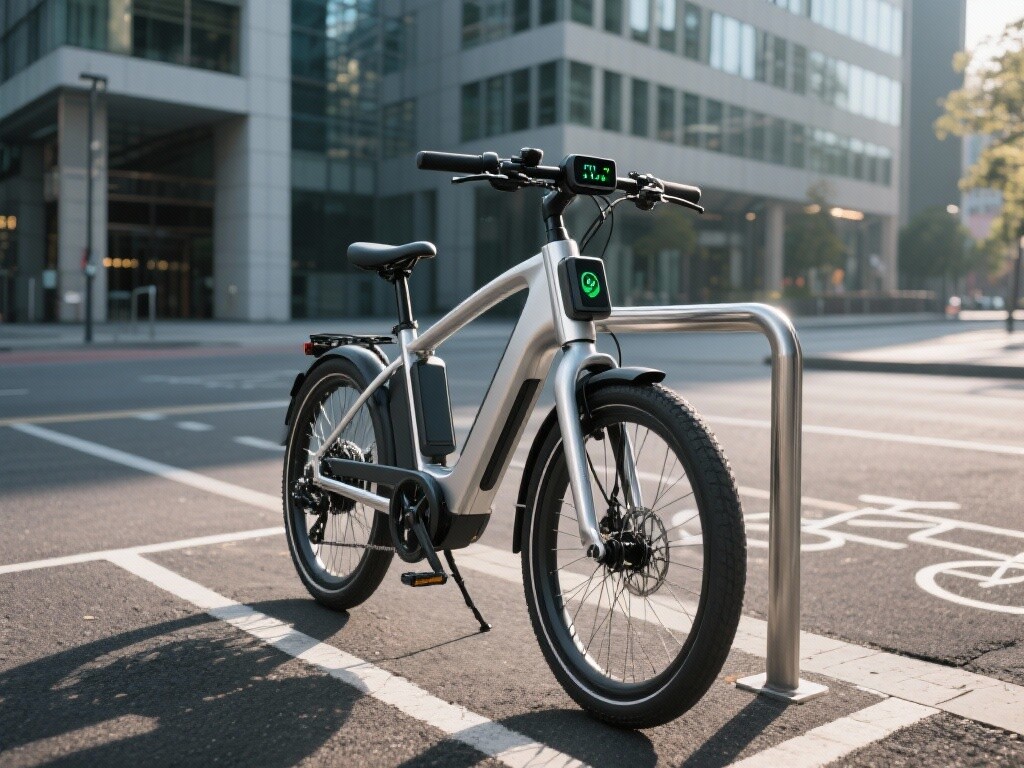
Choosing the perfect electric bicycle for your daily commute can be overwhelming with so many options available. Whether you're considering an electric bicycle, electric tricycle, or even an electric four-wheeled vehicle, understanding your needs is key. As a leading parts production base, we'll guide you through essential factors like battery life, motor power, and comfort features to help tech evaluators, operators, and researchers make informed decisions for sustainable urban mobility.
Key Factors to Consider When Selecting an Electric Bicycle
When evaluating electric bicycles for daily commuting, several critical factors demand attention. Battery capacity directly impacts your range - most modern e-bikes offer 400Wh to 750Wh batteries, providing 40-120 km per charge depending on terrain and assist level. Motor power, typically ranging from 250W to 750W, determines climbing ability and acceleration. For urban commuters, mid-drive motors often outperform hub motors in hilly areas. Don't overlook comfort features like adjustable suspension, ergonomic saddles, and intuitive control interfaces, especially if you'll be riding daily. Our parts production base specializes in high-efficiency motors and durable battery systems that meet international safety standards like UL 2849 and EN 15194.
Comparing Electric Bicycle Types for Different Commuting Scenarios
Technical Specifications That Matter for Commuters
Technical evaluators should examine torque ratings (35-80Nm for most commuter e-bikes), pedal assist sensitivity, and regenerative braking systems. Lithium-ion battery chemistry (NMC or LFP) affects both lifespan (typically 800-1,200 cycles) and cold-weather performance. Our parts production base utilizes automotive-grade battery management systems that extend cycle life by 30% compared to standard solutions. Pay attention to IP ratings for water resistance (IP54 minimum for all-weather commuting) and frame materials - aluminum alloys provide the best balance of weight and durability for daily use.
Common Mistakes When Choosing Electric Commuter Vehicles
Many first-time buyers underestimate their actual range needs or overlook service network availability. Operators frequently make the error of selecting undersized batteries to save weight, only to face range anxiety later. Another frequent misconception is that higher wattage always means better performance - torque output and motor efficiency are equally important. Our technical team has identified that 70% of premature battery failures result from improper charger use, which is why we include smart charging systems with all our electric bicycle components.
Future Trends in Electric Commuter Vehicles
The electric bicycle industry is rapidly evolving with solid-state batteries promising 2-3x current energy densities by 2025. Connectivity features like GPS tracking and theft prevention are becoming standard, especially for urban commuters. Our R&D division is pioneering modular battery systems that allow users to easily upgrade capacity as technology advances. For fleet operators, we're developing swappable battery stations that can service electric bicycles, tricycles, and four-wheeled vehicles from a single infrastructure platform.
Why Choose Our Solutions for Your Commuting Needs
As an ISO 9001-certified parts production base with 15 years of electric mobility experience, we offer unmatched technical support and warranty coverage. Our electric bicycle components undergo 217 rigorous quality checks, resulting in 98.7% defect-free delivery rates. For technical evaluators, we provide detailed test reports including vibration resistance, water ingress, and thermal performance data. Operators benefit from our predictive maintenance algorithms that reduce downtime by 40%. Contact our mobility specialists today for a personalized commuting solution analysis based on your specific route topography, cargo requirements, and budget parameters.