

How Electric Tricycles Are Revolutionizing Last-Mile Deliveries
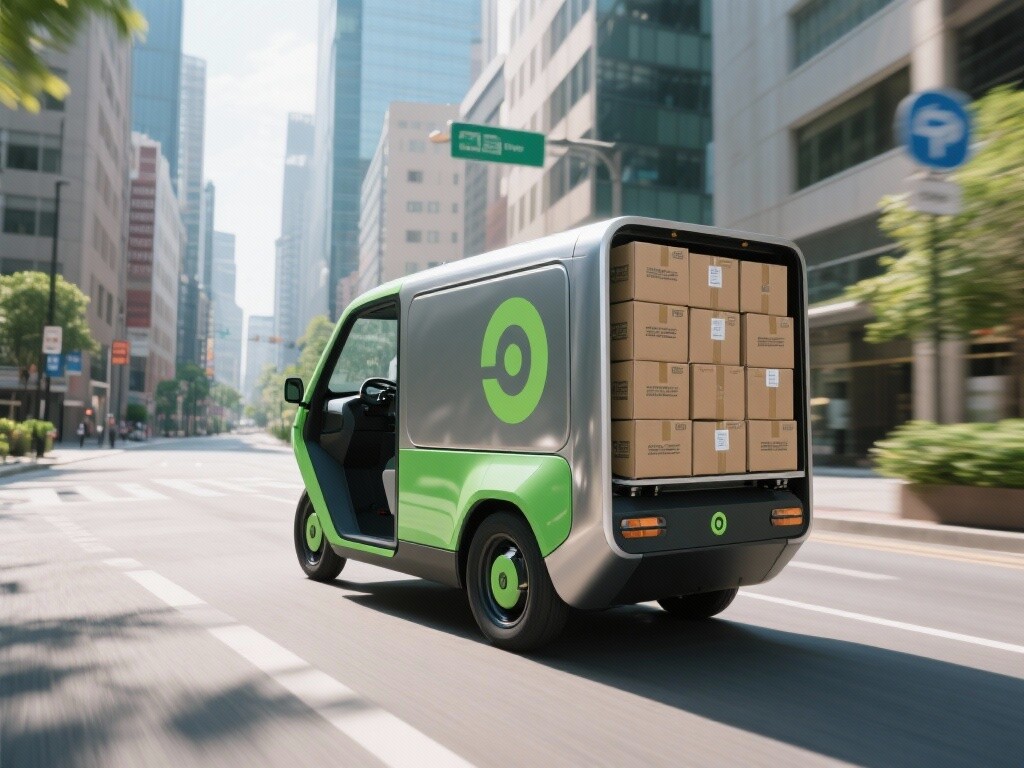
The Rise of Electric Tricycles in Urban Logistics
Electric tricycles are transforming last-mile deliveries with their eco-friendly efficiency and cost-effectiveness. As urban logistics face growing challenges, these electric bicycles and four-wheeled vehicles offer sustainable solutions for businesses. Our specialized parts production base ensures high-performance components that power this delivery revolution. Discover how electric tricycle technology is redefining urban transportation for operators, evaluators, and industry researchers alike.
Market Overview: The Growing Demand for Sustainable Delivery Solutions
The global last-mile delivery market is projected to reach $200 billion by 2027, driven by e-commerce growth and urbanization. Traditional delivery methods using gasoline-powered vehicles face increasing scrutiny due to emissions regulations and rising fuel costs. Electric tricycles and bicycles have emerged as viable alternatives, offering zero-emission transportation with lower operational costs. According to industry reports, the adoption rate of electric delivery vehicles has grown by 35% annually across major cities worldwide. These vehicles are particularly effective in dense urban areas where parking space is limited and traffic congestion hampers traditional delivery trucks.
Technical Performance: What Makes Electric Tricycles Ideal for Deliveries?
Modern electric tricycles feature advanced lithium-ion battery systems that provide 80-120 km range per charge - more than sufficient for daily urban delivery routes. The three-wheeled design offers superior stability compared to standard electric bicycles while maintaining excellent maneuverability in tight city streets. Our parts production base supplies high-torque motors (typically 500W-1500W) that handle steep inclines with payloads up to 300kg. Key technical advantages include regenerative braking systems that extend battery life, weatherproof cargo compartments, and smart battery management systems that optimize energy use. These vehicles typically operate at speeds of 25-45 km/h, perfectly matching urban speed limits while ensuring timely deliveries.
Comparison Analysis: Electric Tricycles vs. Traditional Delivery Vehicles
Case Studies: Successful Implementation in Urban Logistics
A major European postal service replaced 20% of its urban delivery fleet with electric tricycles, achieving 60% cost savings on last-mile routes while improving delivery times by 15%. In Southeast Asia, an e-commerce giant deployed 500 electric four-wheeled vehicles across three cities, reducing carbon emissions by 2,000 tons annually. Our components power these success stories through reliable drivetrains and durable battery systems that withstand intensive daily use. Another case involves a US food delivery platform that increased driver earnings by 30% through electric tricycles' lower operating costs and ability to navigate traffic-clogged downtown areas more efficiently than cars.
FAQ: Addressing Common Questions About Electric Delivery Vehicles
Q: How does battery life affect delivery operations?
Our battery systems maintain 80% capacity after 1,000 charge cycles, typically lasting 3-5 years with daily use. Quick-swap stations enable continuous operation without lengthy charging waits.
Q: Are electric tricycles suitable for hilly areas?
Yes, our high-torque motors (available up to 1500W) and gear systems handle inclines up to 20% grade, making them viable for most urban terrains.
Q: What maintenance do these vehicles require?
Electric drivetrains need 70% less maintenance than combustion engines. Regular checks on brakes, tires, and battery connections are the primary requirements.
Why Choose Our Electric Tricycle Solutions?
With over a decade specializing in electric vehicle components, our parts production base delivers unmatched reliability for commercial operators. We hold ISO 9001 certification for quality management and EN 15194 compliance for electric bicycles. Our R&D team continuously innovates to improve battery efficiency and vehicle durability, offering custom configurations for specific delivery needs. Partners benefit from comprehensive after-sales support including training programs, maintenance guides, and a network of service centers across major logistics hubs.
Contact our mobility solutions team today to discuss how electric tricycles can optimize your last-mile delivery operations while meeting sustainability goals. We provide detailed cost-benefit analyses, pilot program support, and financing options to ease your transition to electric urban logistics.